Plasma Solar invests
For most qualifying projects, Plasma Solar arranges the capital required to design, supply and install the rooftop system.

Plasma Solar finances, installs and operates onsite rooftop solar systems for qualifying commercial and industrial customers. You buy the solar electricity produced at an agreed discount to the prevailing grid tariff.
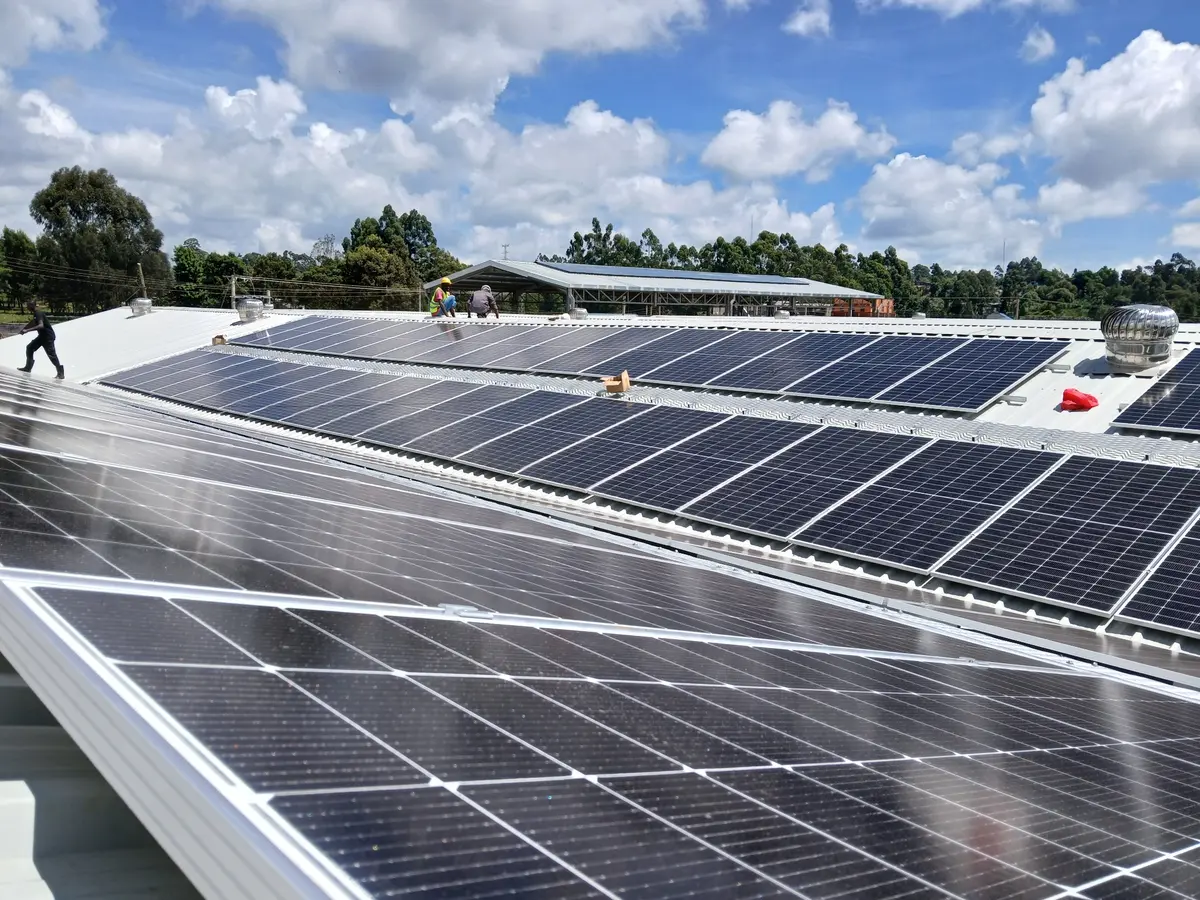
Under an onsite solar power purchase agreement, Plasma Solar develops a rooftop solar system at the customer’s premises and normally retains ownership during the agreement. The electricity generated is consumed directly by the business and measured separately from grid consumption.
The customer pays for the metered solar energy at the agreed PPA tariff. That tariff is structured as a discount against the prevailing grid tariff, so the customer begins reducing energy costs without funding the solar installation as a capital purchase.
Our typical agreement is approximately 12 years, although the final term and commercial structure depend on the project. At the end of the agreed term, ownership of the system transfers to the customer under the conditions set out in the PPA.
For most qualifying projects, Plasma Solar arranges the capital required to design, supply and install the rooftop system.
The solar array is installed on an approved roof at your operating site and connected to supply loads within the premises.
The business pays for the metered electricity produced by the solar system at the tariff defined in the agreement.
The grid continues serving the premises when demand exceeds solar production and during periods when solar is unavailable.
Plasma Solar is responsible for agreed monitoring, preventive maintenance and system-performance support during the PPA term.
At the end of the agreed term, the solar system transfers to the customer in accordance with the contract.
| Assessment area | What we review | Why it matters |
|---|---|---|
| Project size | Plasma Solar currently considers PPA opportunities from approximately 100 kWp. | Larger projects provide the generation volume needed to support financing, operations and long-term pricing. |
| Electricity profile | Recent bills, interval data where available, operating hours and seasonal demand. | The site must be able to consume a meaningful share of solar production as it is generated. |
| Roof suitability | Available area, structure, orientation, shading, access, waterproofing and remaining roof life. | The roof must safely support the system and remain serviceable throughout the agreement. |
| Site continuity | Business operations, occupancy or lease arrangements and the expected future use of the premises. | A PPA is a long-term agreement, so confidence in continued occupation and energy demand is important. |
| Electrical infrastructure | Supply arrangement, main distribution, protection, transformer and suitable connection points. | The system must integrate safely with the existing electrical installation. |
| Customer assessment | Commercial, contractual and credit information required for project financing. | The investment is recovered through electricity purchases over the agreed term. |
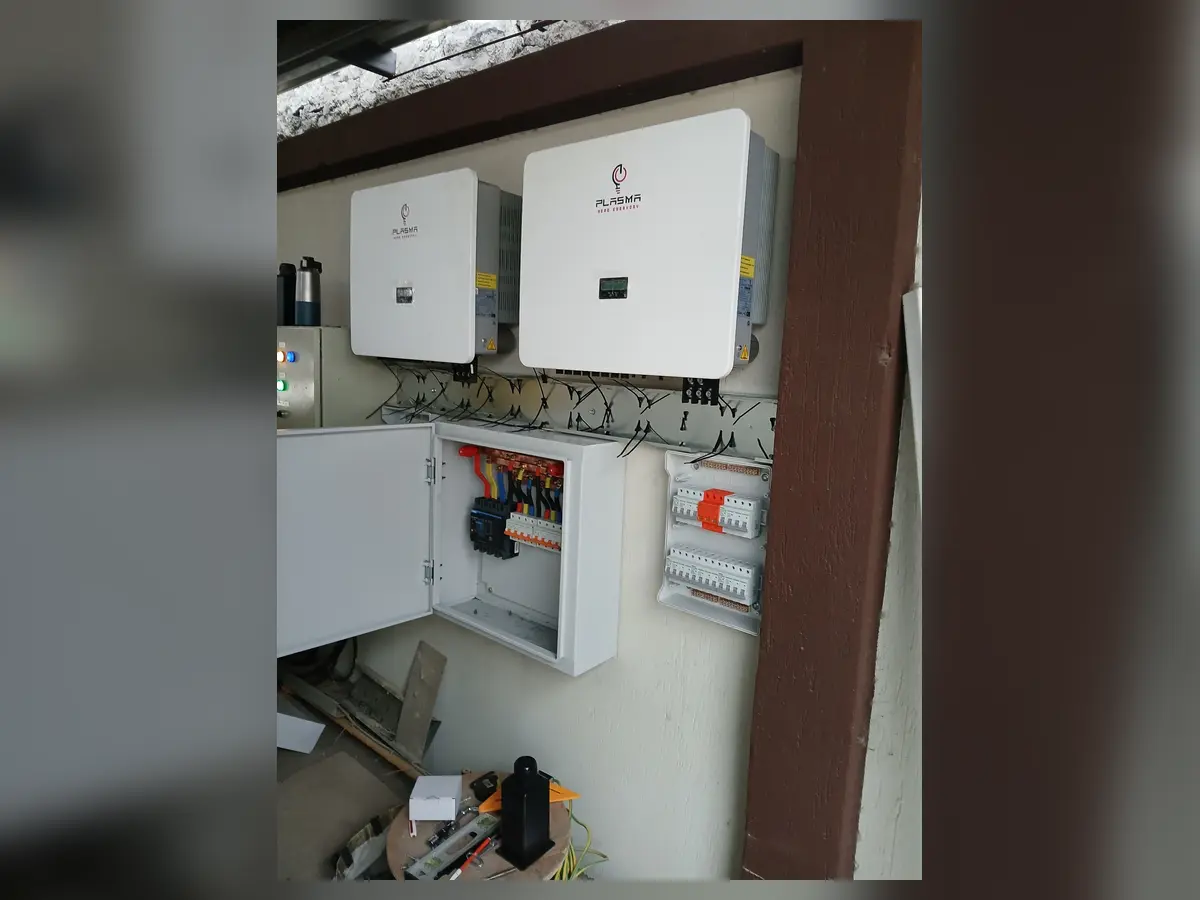
The rooftop array generates electricity during daylight hours. That electricity is supplied behind the customer’s meter and consumed by operating equipment within the premises. If the facility requires more power than the solar system is producing, the grid supplies the difference.
The system is normally designed around onsite consumption rather than simply filling every available part of the roof. This reduces avoidable surplus generation and improves the commercial performance of the PPA.
Generation metering, monitoring and agreed billing procedures provide the basis for calculating the solar electricity delivered during each billing period.
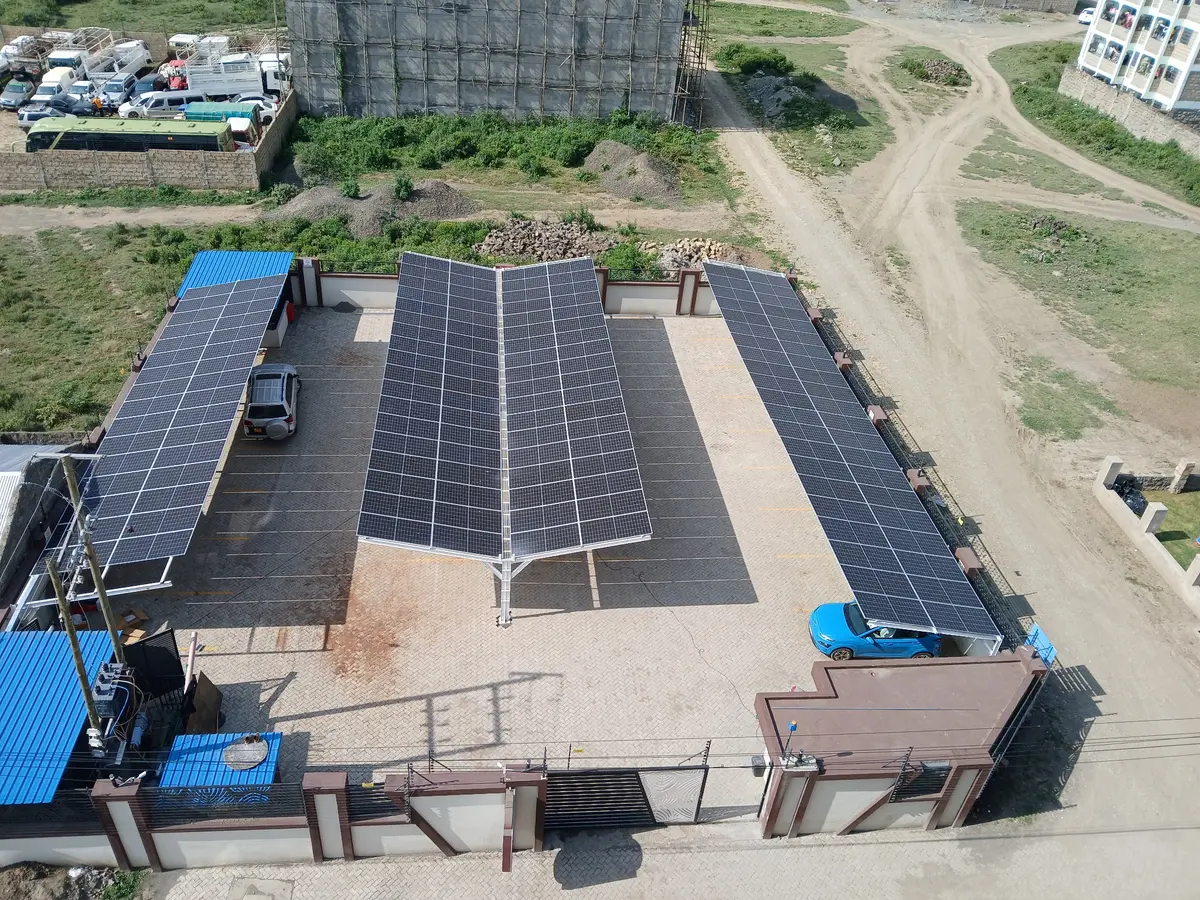
Suitable when the business wants immediate access to discounted solar energy without making the initial capital investment. Plasma Solar normally owns and operates the asset during the term, while the customer pays for delivered energy.
Suitable when the business has capital available and wants to own the system from commissioning. The customer funds the installation and receives the full value of the solar energy produced, subject to operating and maintenance arrangements.
The better route depends on available capital, investment priorities, target payback, risk allocation and the expected duration of operations at the site.
We review the site, recent electricity bills, operating hours, estimated project size and the customer’s objectives.
We survey the roof and electrical infrastructure, analyse consumption and develop a preliminary system design and generation estimate.
The parties agree the PPA tariff structure, term, responsibilities, billing method, performance provisions and transfer conditions.
Following approvals and financing, we install, commission, monitor and maintain the system under the agreed operating framework.
A solar power purchase agreement is a long-term contract under which a provider finances, installs and normally owns a solar system at the customer’s premises. The customer buys the electricity generated at the tariff specified in the agreement.
Under Plasma Solar’s standard PPA structure, the customer does not purchase the system upfront. Plasma Solar normally finances the project and recovers the investment through payments for solar electricity delivered over the contract term.
Our typical onsite rooftop PPA is approximately 12 years. The final term depends on project economics, financing, site conditions and the commercial agreement signed by the parties.
The tariff is structured as an agreed discount against the prevailing grid tariff. The detailed formula, applicable grid components, adjustment method and billing procedure are defined in the PPA so both parties understand how charges are calculated.
The grid continues to supply the balance of the facility’s electricity needs. The onsite solar system reduces grid consumption during generating hours; it does not normally replace the grid entirely.
Plasma Solar provides the monitoring, preventive maintenance and performance support specified in the agreement while it owns and operates the installation.
Ownership transfers to the customer after completion of the agreed term, subject to the transfer provisions and other conditions in the signed contract.
We currently assess onsite rooftop PPA opportunities from approximately 100 kWp. Qualification also depends on daytime consumption, roof suitability, site continuity, technical feasibility and the commercial assessment.
Provide at least 12 months of electricity bills, the site location, operating hours, details of planned load changes, roof drawings if available and confirmation of whether the premises are owned or leased. Interval consumption data and recent electrical drawings are also useful where available.
Send us your site location and at least 12 months of electricity bills. We will review the daytime demand, estimated project size and roof suitability to determine whether the opportunity should proceed to a technical and commercial assessment.