Grid-tied solar
For sites with reliable grid power and strong daytime consumption. Solar offsets imported electricity while the grid supports the balance of the load.

Plasma Solar designs and installs commercial solar systems for factories, offices, hotels, retailers, farms and institutions. We begin with your actual consumption data, then build the system around when and how your business uses power.
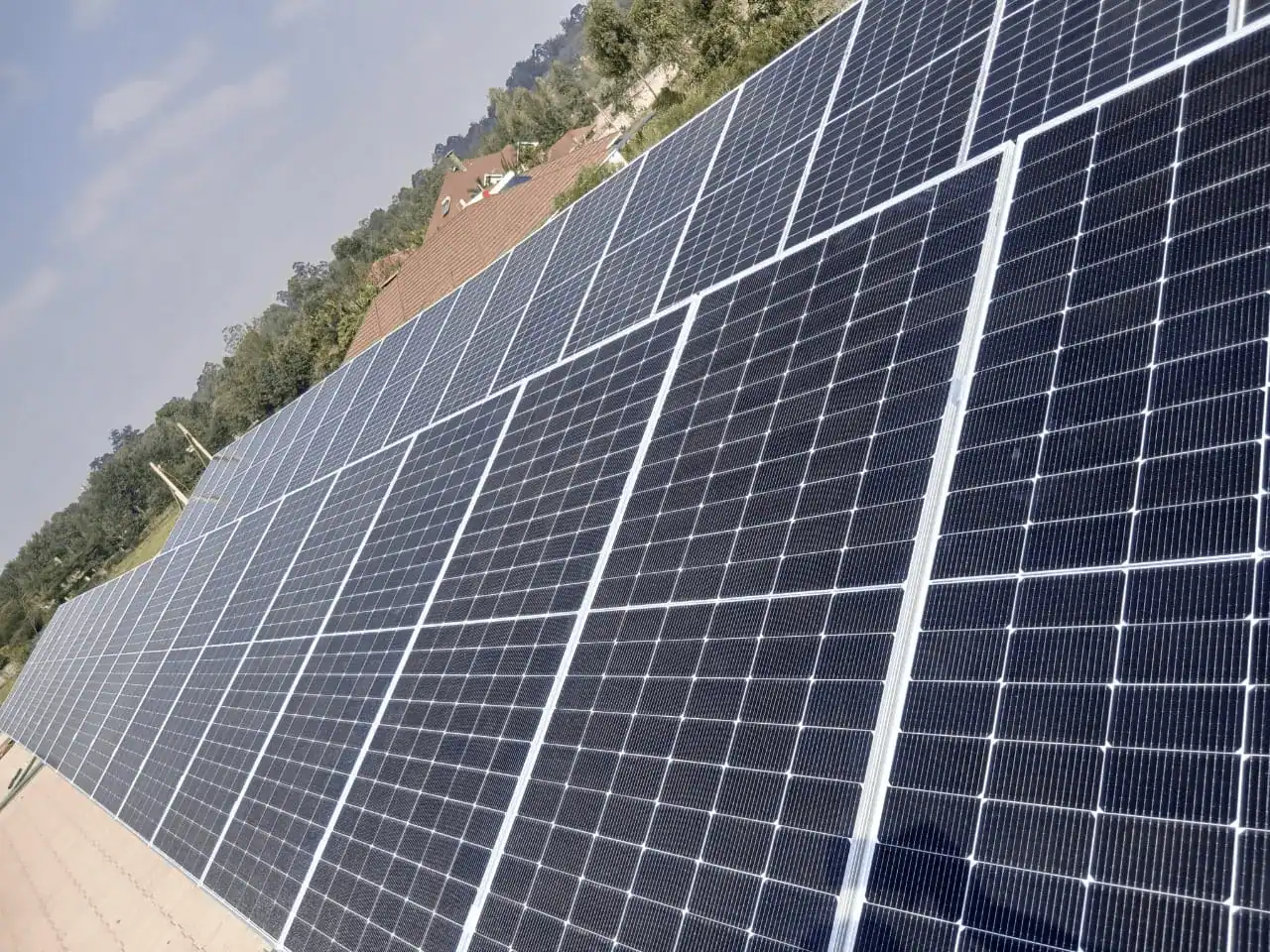
A commercial solar installation works best where a business consumes substantial electricity during daylight hours. Solar power produced at the site is used immediately by machinery, refrigeration, pumps, offices or other loads, reducing the energy purchased from the grid.
That sounds straightforward, but a good result depends on matching solar production to the site’s real demand. A system sized from roof area alone can export valuable energy that the business cannot use. One sized from a single electricity bill may miss daily peaks, seasonal changes or weekend shutdowns.
We therefore start with interval consumption data where available, electricity bills and an operating schedule. The proposal should show what the system is expected to generate, how much the site can consume directly and which assumptions support the savings estimate.
For sites with reliable grid power and strong daytime consumption. Solar offsets imported electricity while the grid supports the balance of the load.
Solar, grid and batteries coordinated through a hybrid inverter. Suitable where outages disrupt operations or where selected critical loads need continuity.
Storage designed for a defined purpose: backup, solar shifting or demand management. Battery capacity is based on load and required autonomy, not guesswork.
Useful generation space where roofs are limited or parking shade adds value. Structural design, drainage, cabling and vehicle clearance are considered together.
Monitoring, preventive inspections, cleaning plans and fault response help the plant continue producing and make underperformance visible early.
Where appropriate, we assess purchase, financed and power-purchase options so management can compare capital cost, energy price and long-term control.
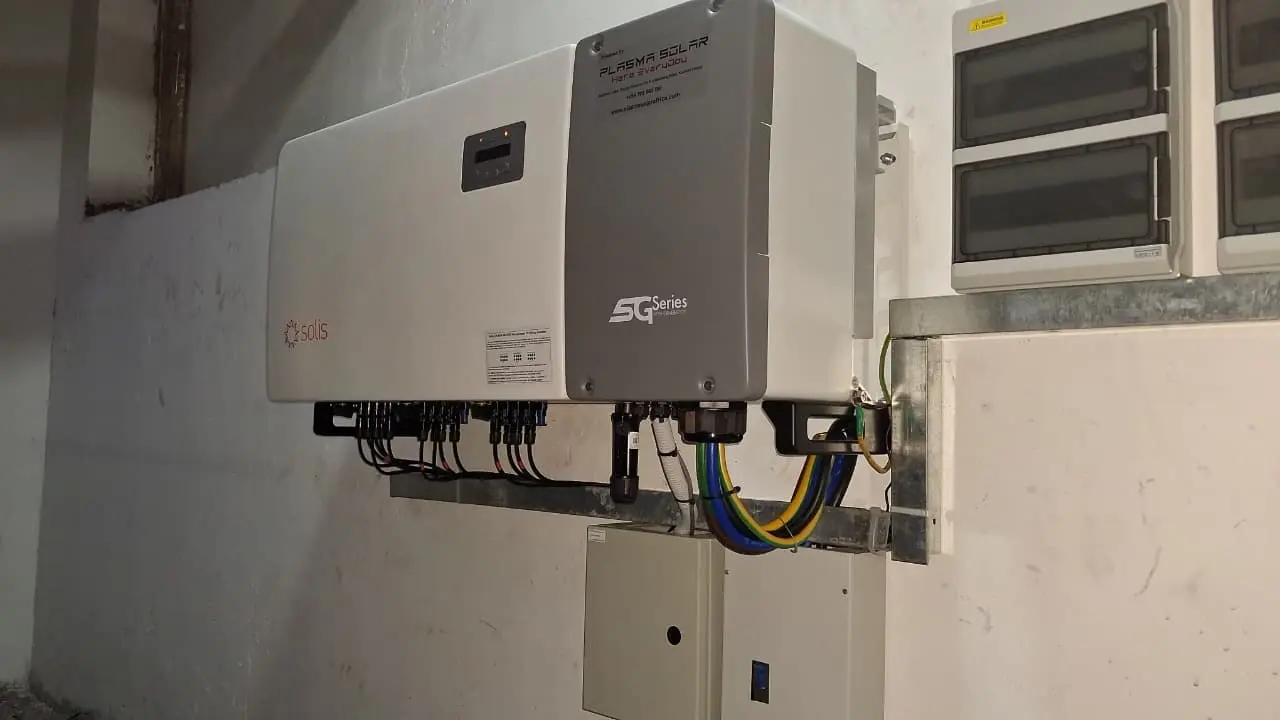
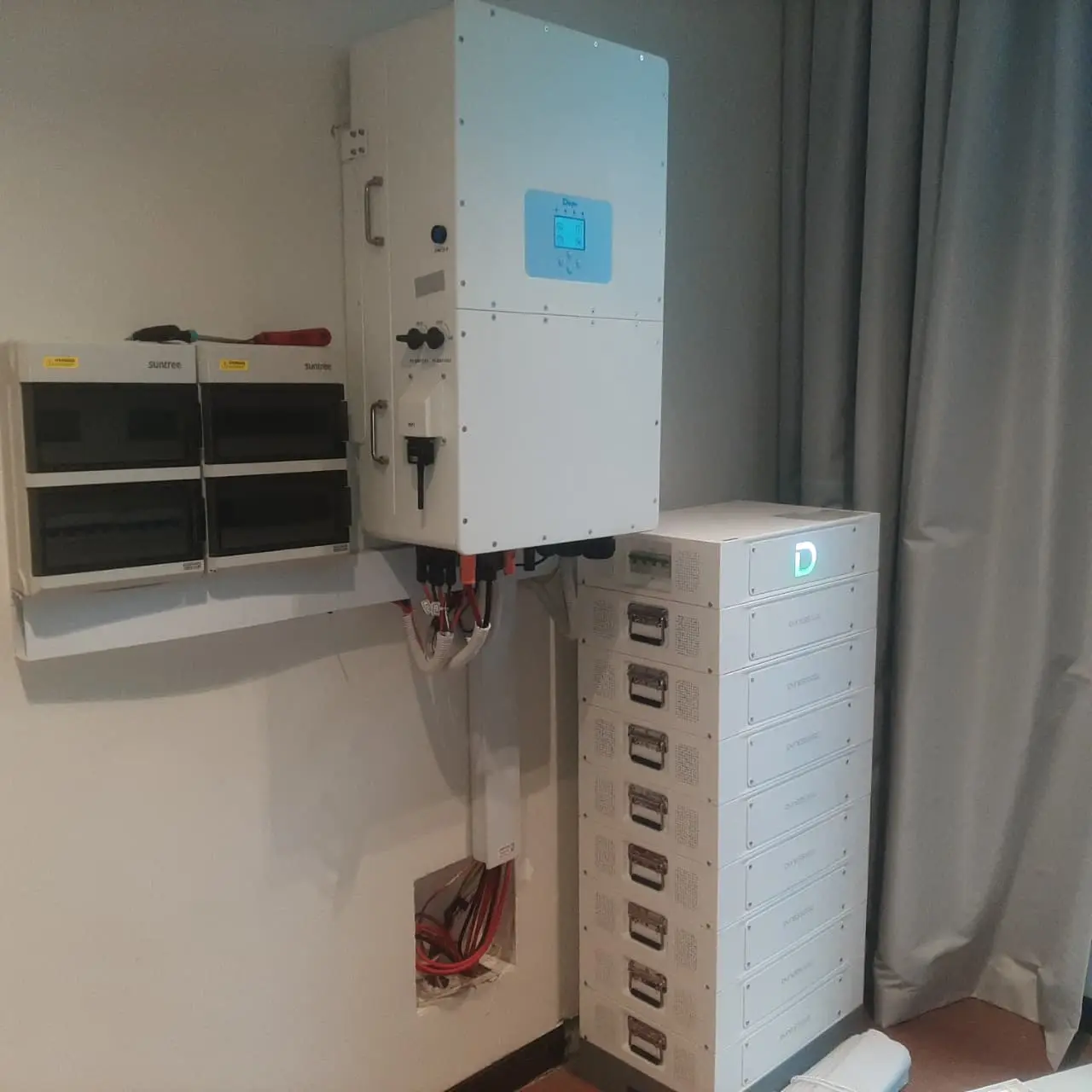
The right configuration follows from the problem the business needs to solve.
| Priority | Typical approach | What to understand |
|---|---|---|
| Reduce daytime energy purchases | Grid-tied solar | The simplest commercial case where grid supply is dependable and daytime self-consumption is high. |
| Keep critical operations running | Hybrid solar with battery | Critical loads and required backup hours must be identified before sizing the battery. |
| Reduce generator dependence | Solar integrated with grid, generator and controls | Protection, generator loading and control philosophy must be engineered as one system. |
| Operate without a reliable grid | Off-grid or high-autonomy hybrid | Requires careful energy budgeting and substantially more storage than a normal grid-connected system. |
We review bills, operating hours, loads and your commercial objectives.
Our team checks the roof, electrical infrastructure, cable routes and installation constraints.
You receive a defined system, generation model, equipment schedule, scope and commercial structure.
We install, test, commission and hand over the system with monitoring and maintenance guidance.
Some clients prefer that their names remain private. The following examples show the type and scale of work undertaken while respecting that confidentiality.
A commercial installation developed around substantial daytime demand, with the array configured to offset grid consumption during trading hours.
A car-shade solar structure that combines electricity generation with useful covered parking for a hospitality property.
Integrated solar solutions supporting loads such as water pumping, processing and temperature-controlled storage where continuity matters.
Project specifications vary by site. Detailed references can be discussed during a qualified project assessment, subject to client confidentiality.
The business owns the system and receives the full value of the energy it produces. This usually offers the strongest long-term economics where capital is available.
Spreads the investment over an agreed period. The important comparison is the repayment against expected savings and the terms attached to the facility.
A third party funds the system and the customer buys solar electricity under a long-term agreement. Suitability depends on credit, site tenure, demand and contract structure.
We compare the site’s daytime load with the solar production profile, then check roof space, electrical capacity and operational plans. Interval demand data gives a better answer than roof area or a single monthly bill. The goal is to produce energy the business can use, not simply install the greatest possible number of panels.
A normal grid-tied system switches off when the grid fails to protect utility workers and equipment. Continuing through outages requires a suitably designed hybrid or backup arrangement, normally including batteries and separation of essential loads.
No. Where the main objective is to reduce a large daytime bill and the grid is reliable, a grid-tied system can be the most economical option. Batteries make sense when backup, solar energy after sunset or another defined operational benefit justifies their additional cost.
Savings depend on the electricity tariff, daytime consumption, system yield, financing cost and how much solar is consumed directly. We calculate the estimate from site data and state the assumptions rather than promising one universal percentage.
Yes, but the generator, solar plant and site controls must be coordinated. Generator minimum loading, reverse-power protection, switching arrangements and the operating sequence should be resolved during design.
Start with recent electricity bills, the site location, operating hours, any available demand-monitoring data and a short explanation of outages or planned expansion. We can then determine what further survey or measurement is needed.
Share recent electricity bills, your location and operating hours. We will review the opportunity and recommend the next useful step—whether that is a site survey, load monitoring or a preliminary design.