Essential-load backup
Selected circuits such as lighting, internet, television, security, refrigeration and sockets remain available when the grid fails.

Plasma Solar designs residential solar and battery backup systems for Kenyan homes. We identify what must remain powered, how long it should run and how solar can reduce grid use before recommending equipment.
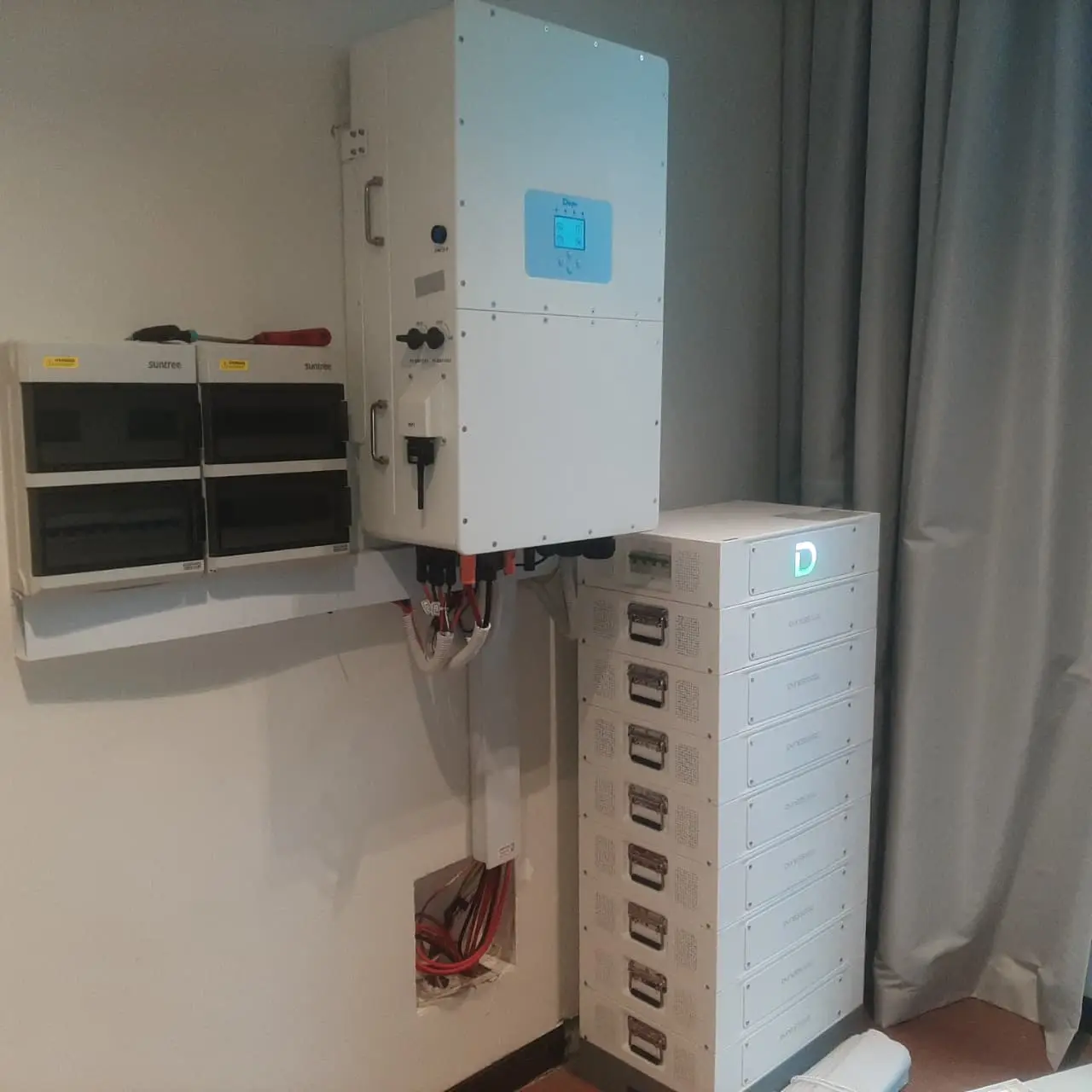
Two homes can own the same appliances and still need very different systems. One family may want lights, internet, television and refrigeration through short outages. Another may need water pumping, office equipment, security systems and most household circuits to operate for many hours.
That is why we begin with a load schedule. We record the appliances you want to power, their approximate demand, how many hours they run and which ones may operate at the same time. This establishes the inverter capacity, usable battery energy and solar array required.
The result should be understandable: what the system will power, what it will not power, the expected backup period under stated conditions and how daily solar production is intended to replenish the battery.
Selected circuits such as lighting, internet, television, security, refrigeration and sockets remain available when the grid fails.
Solar, grid and battery are coordinated through a hybrid inverter so daytime solar can serve the home and recharge storage.
Larger batteries and solar arrays for homes seeking longer backup or reduced dependence on unreliable grid supply.
Assessment of compatible batteries, additional solar capacity, protection and controls before expanding an installed system.
Load distribution, phase balance and equipment requirements considered for larger residences with three-phase supply.
System monitoring, operating guidance and maintenance support help make energy use and faults easier to understand.
| Component | Primary role | What determines its size |
|---|---|---|
| Solar panels | Generate energy during daylight | Daily consumption, available roof area, orientation, shading and charging requirement. |
| Hybrid inverter | Manages solar, battery, grid and household loads | Simultaneous demand, surge loads, phase arrangement and future expansion. |
| Lithium battery | Stores energy for outages or use outside solar hours | Essential-load energy, backup duration, usable depth of discharge and discharge power. |
| Protection and distribution | Isolates faults and routes supported circuits safely | System voltage, current, earthing, surge risk and the existing electrical installation. |
| Monitoring | Shows production, consumption, battery state and alarms | Inverter platform, connectivity and the level of visibility required. |
A battery rating is only the starting point. Useful backup depends on its usable energy, the power being drawn, inverter losses, battery limits and the minimum state of charge reserved for battery protection.
For example, a home drawing a steady light load will run much longer than the same home using pumps, cooking appliances or air conditioning. Solar production during the outage can extend runtime, but that contribution changes with weather and time of day.
The assumed loads, total demand, usable battery energy and expected operating window. It is an engineering estimate under defined conditions—not a universal promise that ignores how the household is used.
Battery and inverter support essential circuits during outages. Solar can be added where the equipment and design allow sensible expansion.
Panels reduce daytime grid use and recharge a battery sized for selected circuits. This is often the most balanced residential objective.
A larger solar array and battery bank support more circuits for longer. Load discipline and clear limits remain important even with a larger system.
We establish your outage experience, priorities, appliances, bills and future plans.
We check demand, roof conditions, shading, electrical distribution and installation routes.
You receive a defined scope explaining supported loads, equipment, assumptions and exclusions.
We install, test and explain safe operation, monitoring and the limits of the completed system.
Correct cable sizing, isolation, over-current protection, surge protection, earthing, ventilation and equipment clearances matter. The existing distribution board and earthing arrangement should be assessed rather than assumed to be suitable.
Batteries and inverters should be installed in an appropriate location, protected from weather, excessive heat, unauthorised access and physical damage. Operating settings should respect the equipment manufacturer’s limits.
If you expect to add another battery, more panels, a pump, air conditioning or an electric vehicle, mention it during design. Inverter capacity, battery architecture, solar-input limits and distribution space can determine whether expansion is simple or requires replacement equipment.
Compatibility must be checked before mixing battery models, capacities, ages or communication systems.
The answer depends on the appliances you want to run, their simultaneous demand, daily energy use, roof conditions and whether your priority is bill reduction, backup or greater autonomy. A load schedule and site assessment provide a more dependable answer than house size alone.
Runtime depends on usable battery energy and the loads operating at that moment. Lighting and internet may run for many hours, while pumps, cooking appliances or air conditioning use the stored energy much faster. Our proposal states the loads and assumptions used for the estimate.
Often yes, provided the chosen inverter, battery architecture and installation have been planned for solar expansion. It is better to confirm solar-input limits and compatibility before purchasing the initial backup system.
Only when the system is designed for backup operation. A standard grid-tied inverter shuts down during an outage. A hybrid system can support designated circuits using solar and batteries, subject to the available generation, stored energy and inverter capacity.
Possibly, but compatibility, inverter limits, battery communication, cable capacity and the condition of the existing equipment must be checked. Batteries should not be added simply because physical connection points are available.
Share your location, recent electricity bills, outage pattern, a list of priority appliances, any large loads and photographs of the distribution board and proposed equipment area. A site visit or measured load assessment may then be recommended.
Tell us which appliances must remain powered, how long your outages normally last and whether reducing the electricity bill is also a priority. We will recommend the next useful step.